
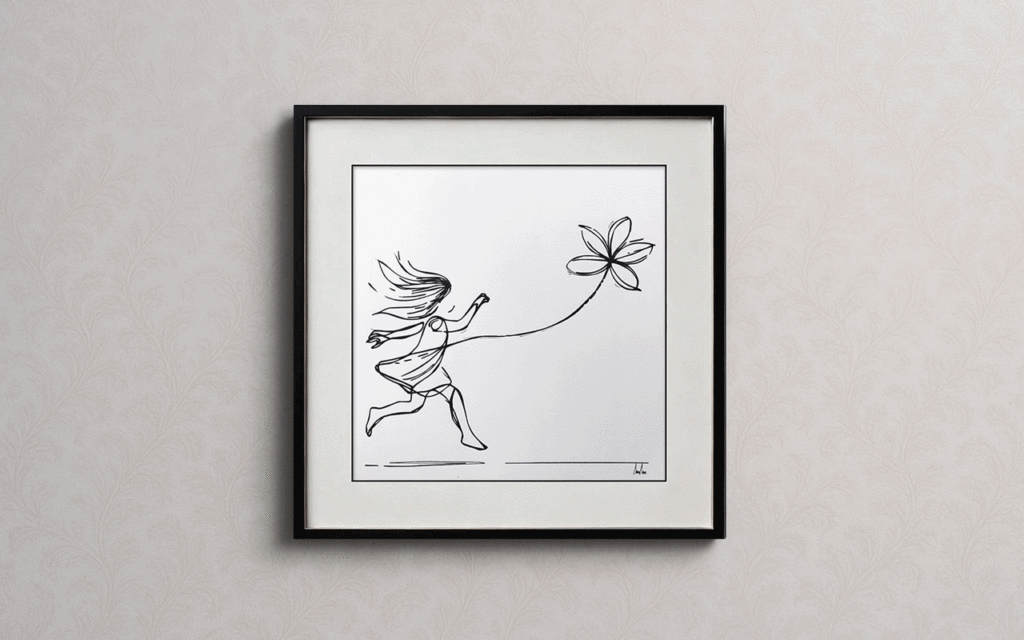
Lubacha
In this conversation, Lubacha reflects on what guides her practice: the importance of gesture, the precision of line, and the role of emptiness. She speaks with the same quiet restraint that defines her drawings. Beneath the apparent simplicity lies a sharp sensitivity to what moves, between forms, between bodies.
⚫⚫⚫
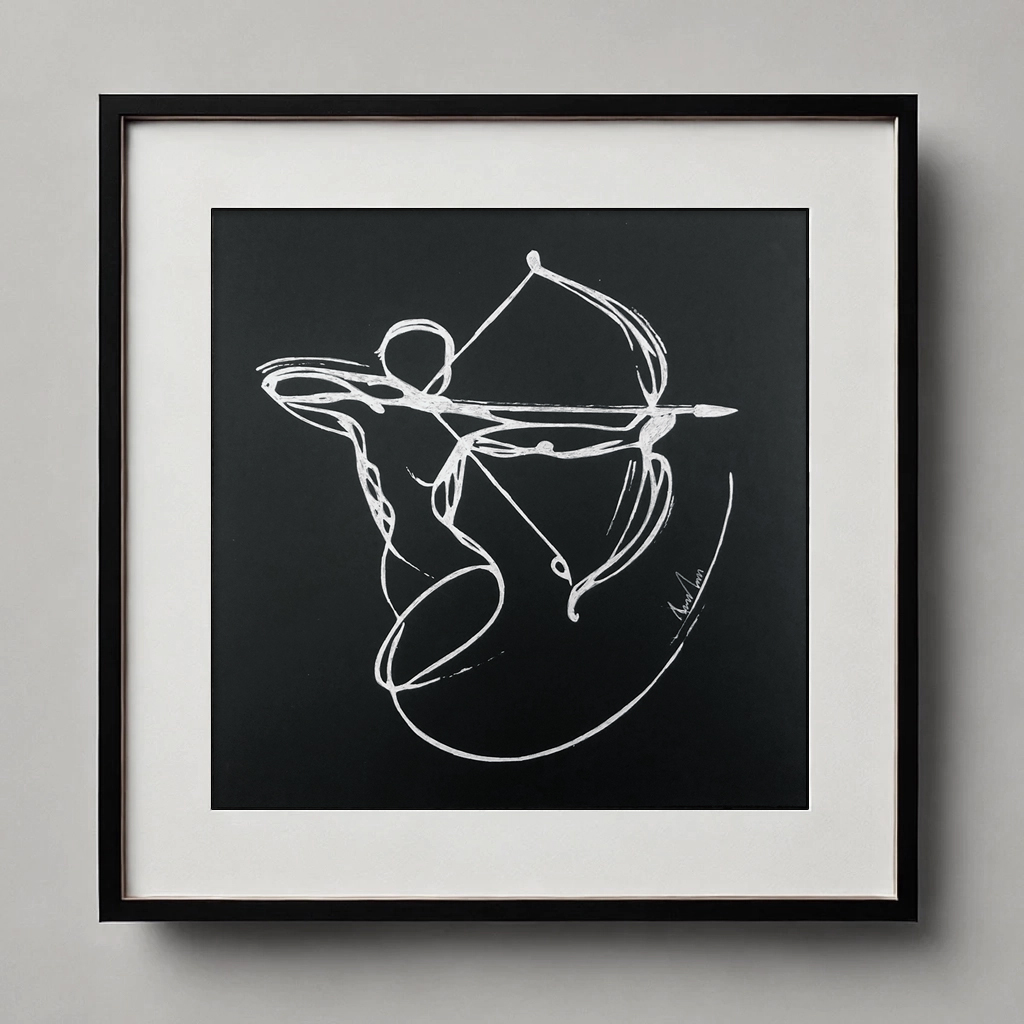
Do you remember when line became central to your work? What led you to strip things down so much?
I think it happened naturally. I’ve always been drawn to what gets to the point, without noise. When a line is right, it’s enough.
You often speak about gesture. What makes one worth drawing?
When it carries a certain energy, something true, even fleeting. It needs to hold tension, a kind of inner life, as if it continues beyond the line.
Do you work from direct observation?
Mostly from mental impressions. Very quick images, like flashes. I try to recover them on paper.
How do you know when a piece is finished?
It feels like a small pause inside. A sense of calm. Adding anything more breaks the balance.
Your figures never look out. They’re seen. Is that deliberate?
Yes. I just want them to appear.
Minimal
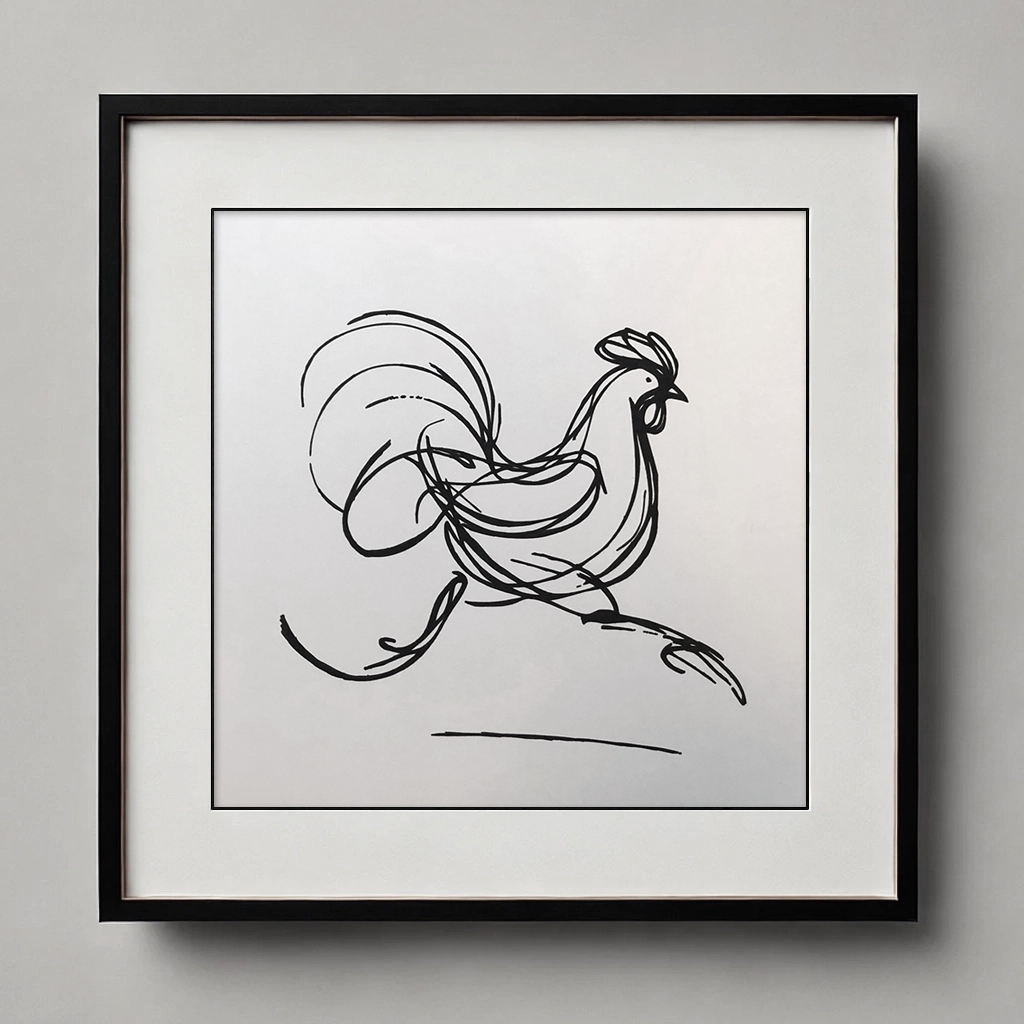
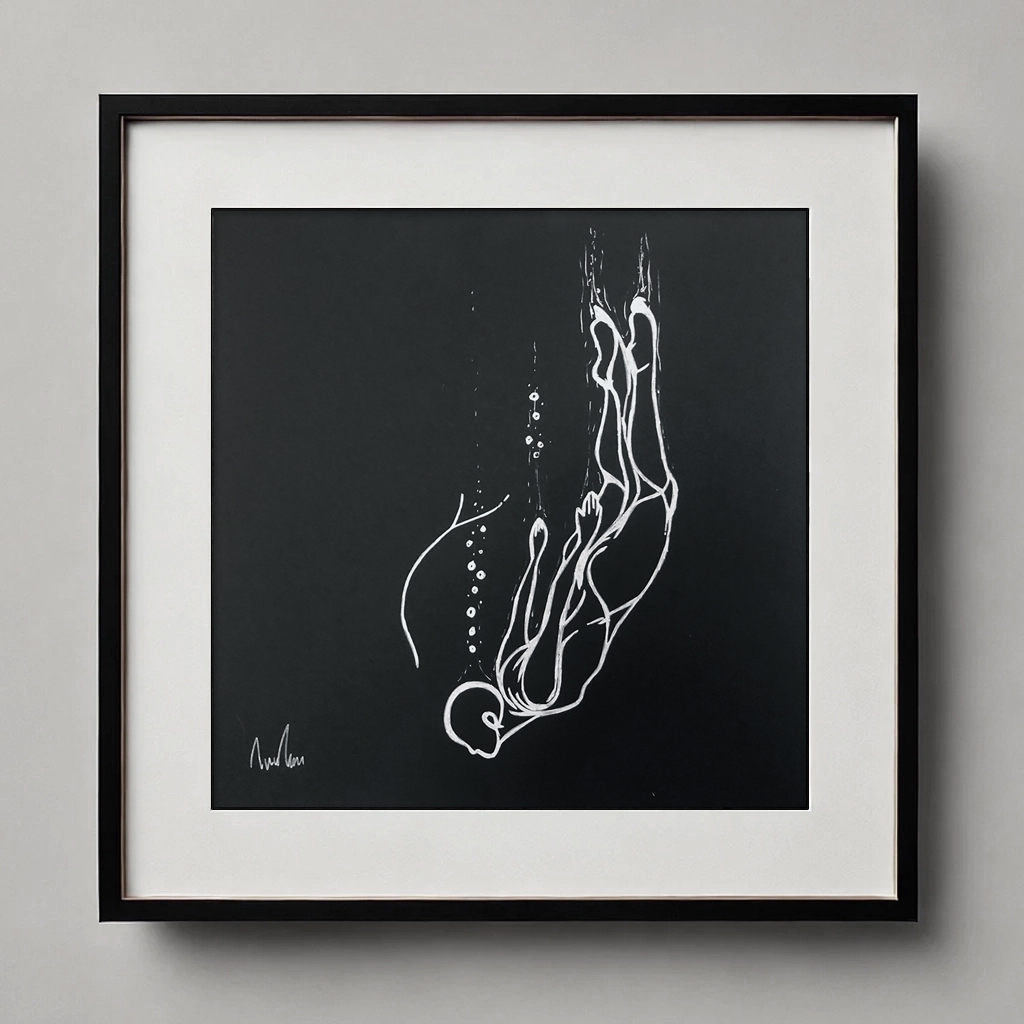
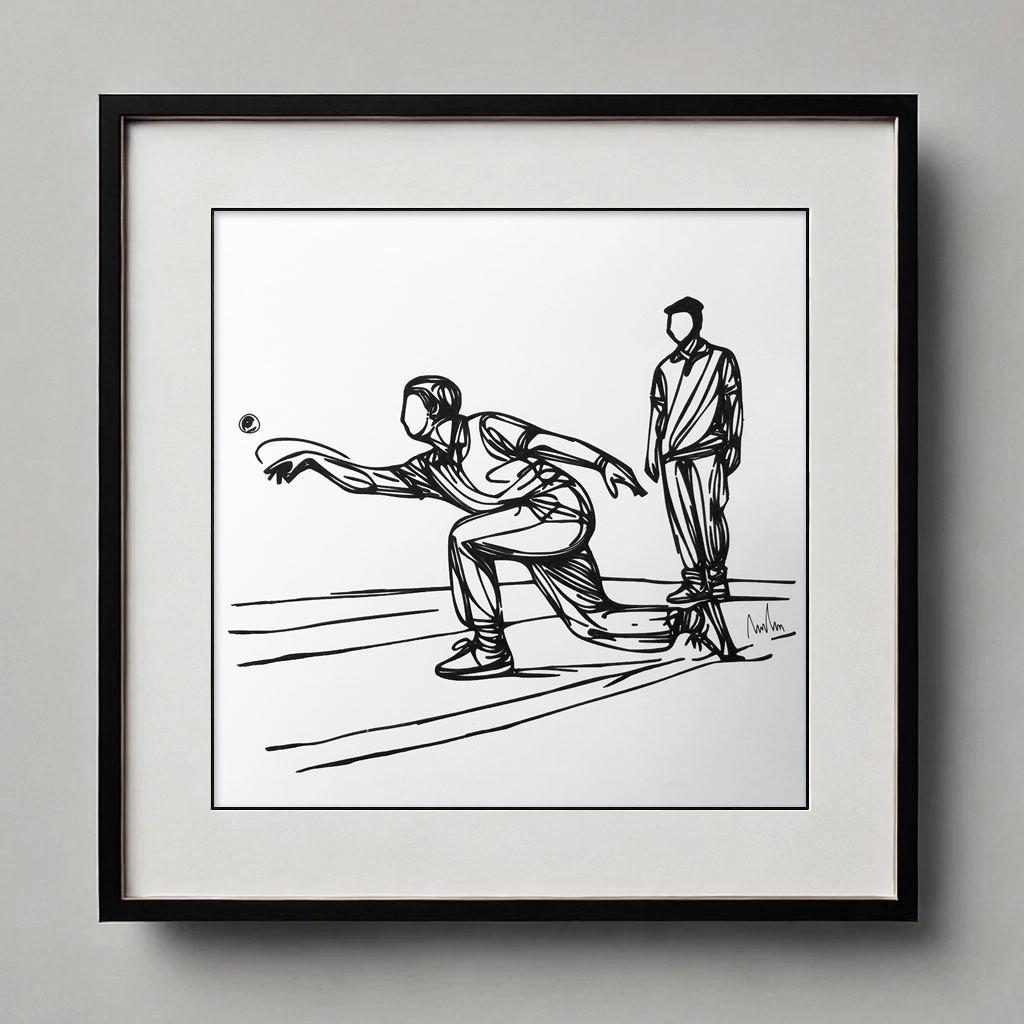
Body in motion, restrained gestures, taut silences: Minimal eliminates all excess.
Lubacha seeks intensity in the minimal, the breath just before it fades.
Your figures often have no face, no setting. Are you avoiding narrative — or leaving it open?
I avoid it. If I start telling a story, I lose the image.
Are there artists — in drawing, performance, elsewhere — who’ve shaped your focus on gesture?
Yes, many. Kabuki theatre, for its contained power. And Philippe Decouflé, for the way he makes bodies feel weightless, almost drawn.
Figure
Prochainement